
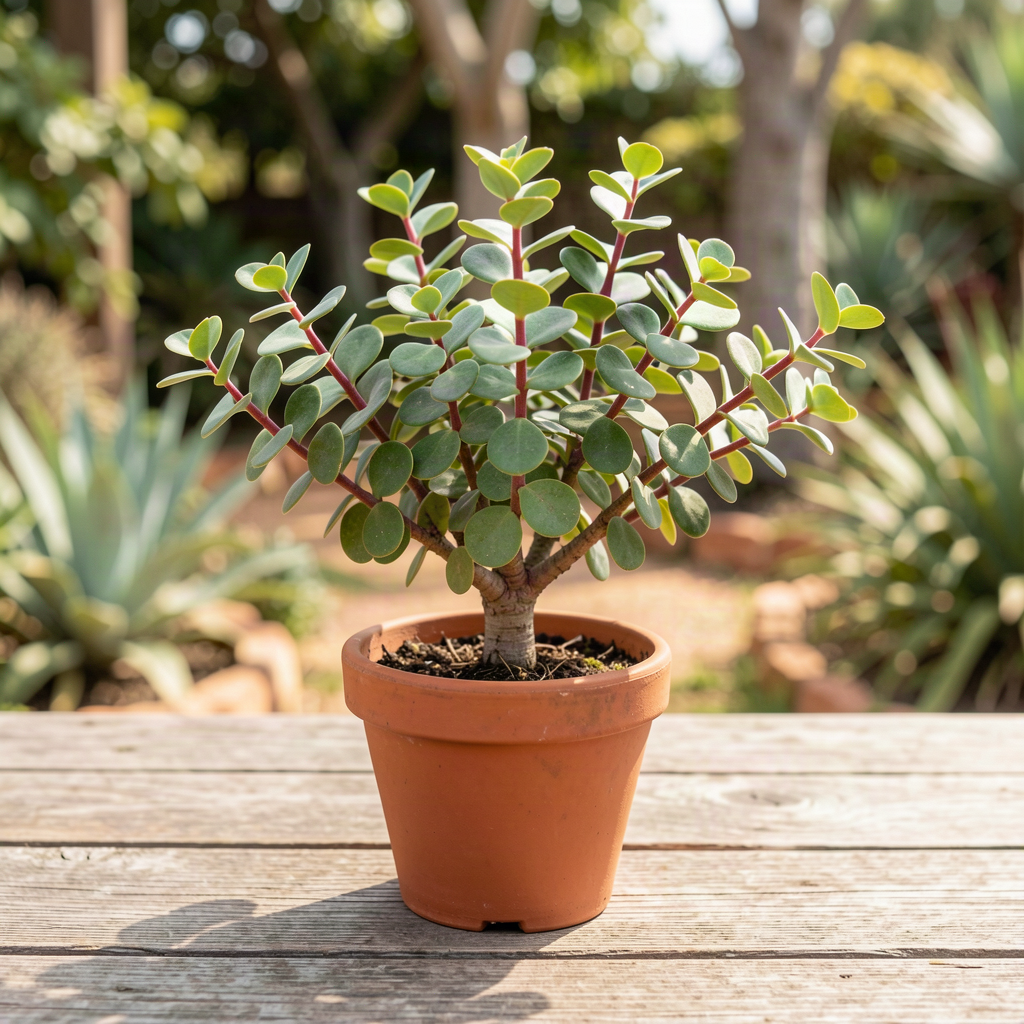
Researchers at the University of the Free State have put spekboom on the plate — and the results are awkward for everyone who grows it: South Africans are willing to eat it, they simply have no idea it is food.
The study, reported by Moneyweb on 27 September 2026 and originally published by The Conversation, did two things. It tested what cooking actually does to spekboom leaves, and then asked people whether they would eat them. The first answer is encouraging: cooked spekboom behaves much like any other leafy green. The second answer is the one worth acting on.
Spekboom is not a novelty — it is a plant that already works
Spekboom (Portulacaria afra) grows wild on the rocky slopes of the Karoo and Eastern Cape, where it stabilises soil, slows erosion and stores carbon through CAM photosynthesis — the trick of opening its stomata at night so it keeps working in heat when other plants shut down. Its fleshy leaves hold an average moisture content above 93%, which is why it is a genuine water source for people and wildlife in dry country. None of that is new. What is new is the food science.
What the researchers tested
A team led by Professor Alba du Toit and Dr Faith Matiza Ruzengwe, with honours student Rozanne MacDonald developing the recipes, worked in the Sensory Laboratory of the Department of Sustainable Food Systems and Development. They measured colour, appearance, texture, moisture, acidity and vitamin C in raw spekboom leaves and in leaves that had been baked, stir-fried, steamed or blanched.
- Cooking made the leaves lighter and softer, while keeping them close to other fresh leafy vegetables.
- The cooked leaves stayed acidic and moisture-rich — the qualities that make a leaf useful in a dish.
- Vitamin C levels were higher after steaming than in the raw leaves.
- Raw leaves are juicy and crunchy with a sharp, lemony bite, which is exactly why they balance sweet and spicy food so well.
The recipes they developed (and why they work)
Spekboom is not just a salad garnish. The team built four shelf-friendly recipes around its natural acidity:
- Spekboom-and-lemon curd — fresh leaves blended with lemon juice, then cooked with eggs, sugar, zest and a little cornflour, with butter whisked in at the end. A smooth sweet-sour spread that keeps up to 10 days refrigerated in a sterilised jar.
- Spekboom tomato chutney — the leaves go into a slow-cooked tomato, onion, garlic, vinegar and garam masala base for the final 30 minutes.
- Pickled spekboom — fresh leaves and thinly sliced red onion in warm red-wine vinegar, honey, olive oil, fennel, mustard, cinnamon and cardamom, left seven days before eating.
- Spekboom dukkah — dried, crushed leaves and spekboom powder mixed with toasted coriander, cumin, sesame and sunflower seeds, hazelnuts, peanuts, salt and black pepper.
The numbers that matter if you grow spekboom
The team surveyed 120 people. Read these side by side, because together they describe a market that is asleep rather than closed:
- 84% had seen spekboom before.
- Only 22% had eaten it more than once in the previous year.
- Only 3% knew spekboom was nutritious.
- 82.5% said they would be more likely to eat it if they knew more about the health benefits.
- 79.2% were willing to include it in their diets.
- 75% would buy it if it was available in supermarkets; more than 77.5% would consider it if it cost less than other vegetables.
That gap between 84% awareness and 3% understanding is the whole opportunity. People are not refusing spekboom — they have never been told what it is for.
Why it matters beyond the garden
Roughly 63.5% of South African households do not have enough food, with 17.5% critically undernourished in 2024. Spekboom needs very little water, grows in poor soil and is hard to kill — and processing it into relishes, pickles and preserves extends its life well past harvest, which cuts waste and creates value close to where the plants grow. This is a plant that can be a hedge, a windbreak, a carbon sink and a pantry at the same time.
Trying it at home — sensibly
If you already have spekboom in the garden, you do not need to strip the hedge. Pick a few leaves, taste one raw first, then use them as you would a sharp salad green or a lemon substitute. Start with small amounts, as with any new plant food, and keep it in the kitchen rather than the medicine cabinet — a garden plant is not a substitute for real medical advice.
Grow it where you are going to eat it
AloeRoots grows spekboom and aloes from Wilderness in the Garden Route and sells them straight off the farm. Every plant we send out has already lived through the same wet winters and salty wind your garden has to survive, which is why they settle in fast. If you want a hedge, a rockery, a food plant on the stoep or a gift that keeps growing, tell us what you are planting and we will point you at the right plants and the right size.
Message us on WhatsApp for sizes and prices — collection in Wilderness, or local delivery along the Garden Route.
Prefer to look first? Browse the plants · Contact us
Sources
Research by Professor Alba du Toit (PARC/DoA/UFS Chair: Innovative Agro-processing for Climate Smart Food Systems) and Dr Faith Matiza Ruzengwe, University of the Free State. Read the original article, republished under a Creative Commons licence, at The Conversation, and the Moneyweb report at Moneyweb. Their study on consumer willingness is published in Discover Food.
AloeRoots — growing water-wise spekboom and aloes in Wilderness, Garden Route.